







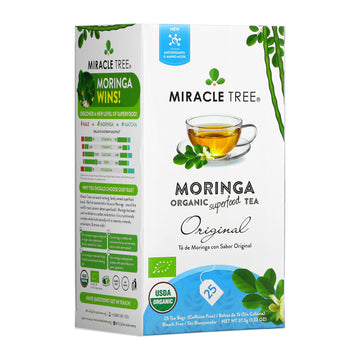
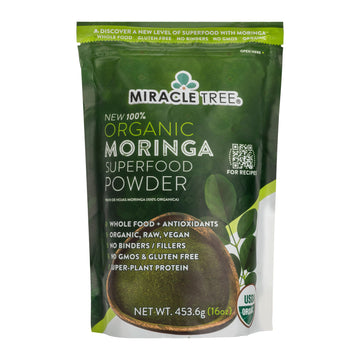
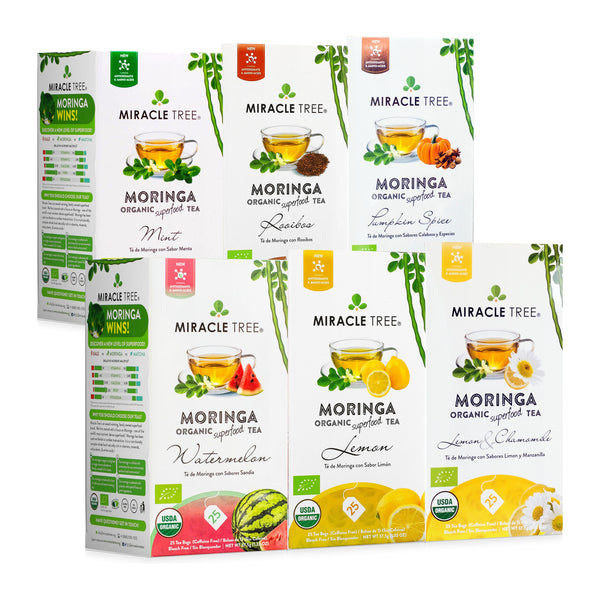


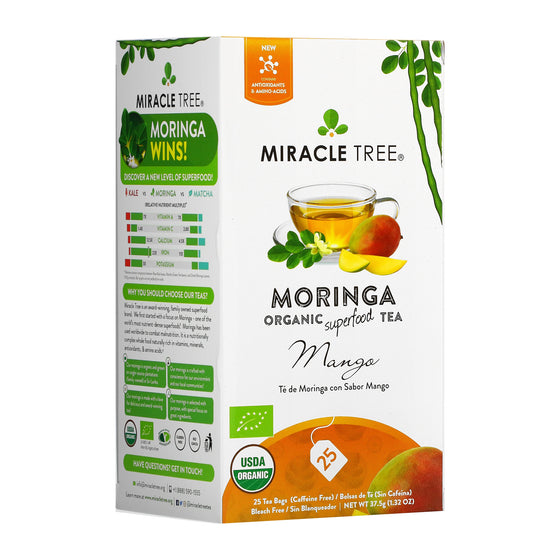
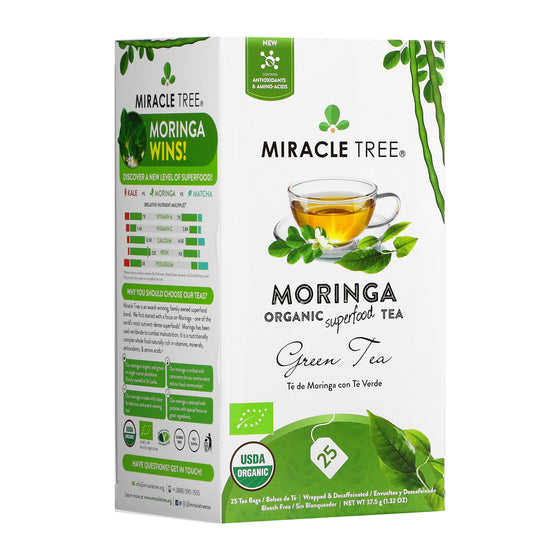
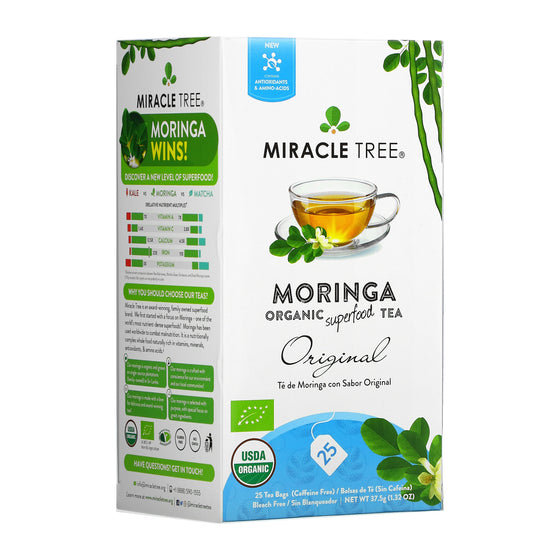
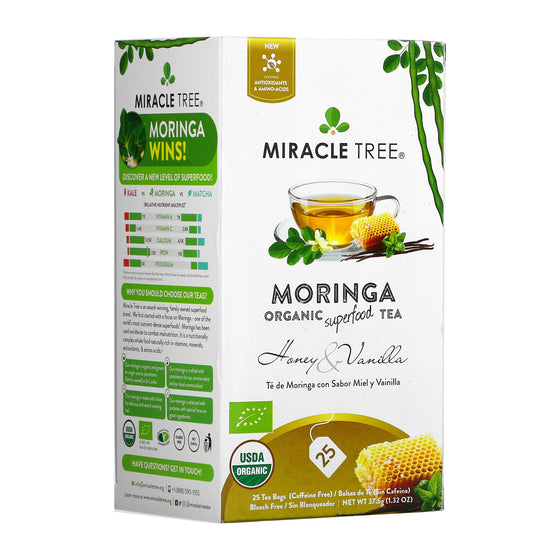
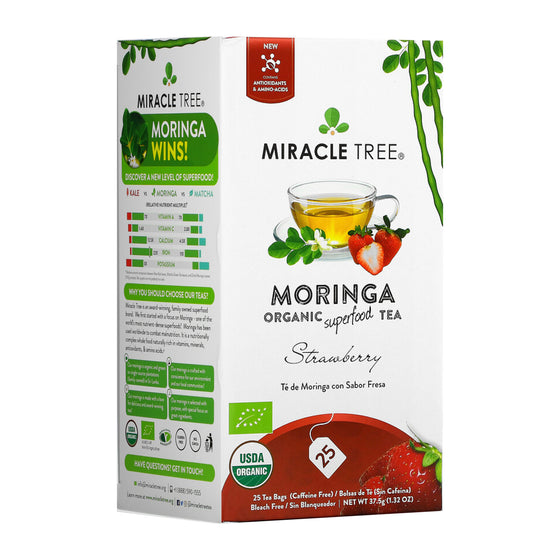
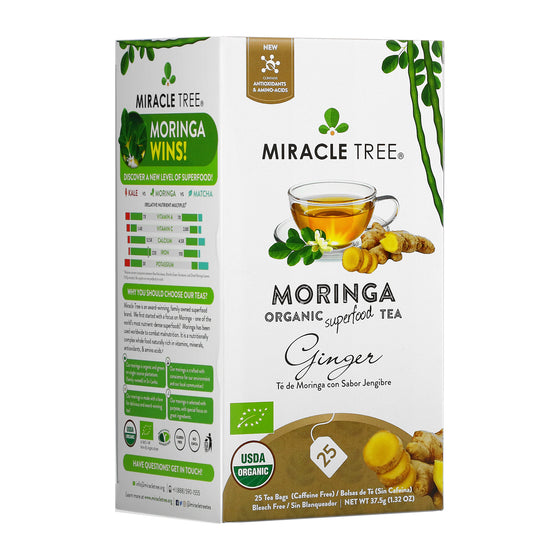
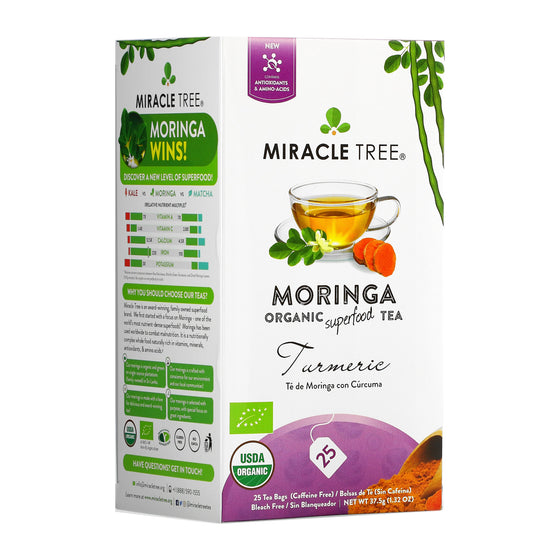
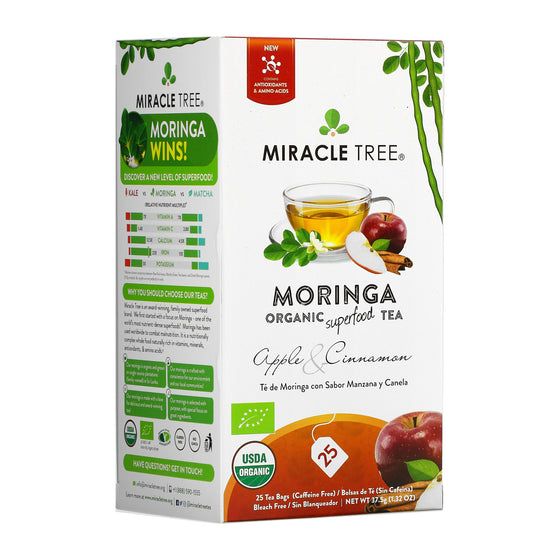







Mix into smoothies, lattes and baking. The price is already marked down, no code needed.


Miracle Tree's Blog
3 Nutrients Often Discussed Alongside Headaches
 By Kunal Mirchandani
· 4 min read
Are you struggling with a pounding headache?
Headaches are a common health issue that may be brought on by a variety of factors including stress, dehydration or inadequate sleep. Many people are unaware that nutrient shortfalls are also discussed in headache research. Here are three nutrients that come up in that research, with the caveat that should sit at the top of any page like this one: none of them is a treatment, and frequent, severe or changing headaches are a reason to see a doctor rather than a reason to rearrange your groceries. Head pain that keeps coming back deserves an actual assessment.
Vitamin D deficiency
Vitamin D has a set of well-established jobs in the body: it contributes to normal absorption of calcium, to the maintenance of normal bones and muscle function, and it takes part in the normal function of the immune system. It also interacts with signalling in the nervous system, which is the reason it turns up in this research area at all. A 2020 review gathered the studies looking at vitamin D and migraine and described the evidence as limited, calling for better-designed trials -- which is a fair summary of where the question sits rather than an answer to it. If you think your own vitamin D status might be low, that is a blood test and a conversation with your doctor, not something to guess at. You can also include foods high in vitamin D in your diet, such as cheese, egg yolks, beef liver, soy milk, fish like salmon and tuna and orange juice.
Magnesium Deficiency
Magnesium is a mineral that is essential for several body functions, including blood pressure control, energy production and muscle and neuron function. Many people eat less magnesium than recommended; a doctor can tell you whether your own intake is worth checking. Magnesium and migraine is one of the more actively studied nutrient questions in neurology -- and it is still being studied precisely because the picture is not settled. What is not in question is the mineral's ordinary work: magnesium contributes to normal muscle function, to normal nerve transmission, to normal energy-yielding metabolism and to the normal function of the nervous system. Whether adjusting intake changes anything for a particular person who gets migraines is a question for a clinician who knows their history, and it is worth saying that magnesium supplements are not harmless at high doses.
If you have a magnesium deficiency, you can consider taking a supplement or adding magnesium-rich foods to your diet. Foods rich in magnesium include dark chocolate, spinach, almonds, avocados, and black beans. This mineral can also be found in significant quantities in coffee and tea.

Vitamin B2 Deficiency
Vitamin B2, commonly known as riboflavin, contributes to normal energy-yielding metabolism, to the normal function of the nervous system, and to the reduction of tiredness and fatigue. A 2017 review collected the riboflavin-and-migraine trials and reported the adult results as more consistent than those in children and adolescents, where the findings were mixed. That is a review of a small literature rather than a settled answer, and the authors treat it as such. Riboflavin is easy to get from food in any case. Foods rich in riboflavin include dairy products, leafy green vegetables, eggs and lean meats. The NIH recommends consuming 1.1 mg of riboflavin for females and 1.3 mg for males.
If you get headaches often, the useful order of operations is: see a doctor, get the common causes looked at properly, and let a clinician decide whether your nutrient status is worth testing. A varied, nutrient-dense diet is worth eating either way -- it is how most people cover vitamin D, magnesium and riboflavin without thinking about it -- but it is a foundation, not a remedy, and it is no substitute for finding out what is actually causing your headaches. Related: Moringa, A Superfood That Packs An Iron Punch.
These statements have not been evaluated by the Food and Drug Administration. This product is not intended to diagnose, treat, cure, or prevent any disease.
Important Reminders
Remember to always consult your healthcare provider before making any significant changes to your diet. While moringa is generally safe for consumption, it's essential to be aware of any potential allergies or interactions with medications.


