Moringa leaf carries roughly ten times the iron of spinach, gram for gram. Here is what that number actually means.
Iron is one of the few nutrients where the headline figure on a label tells you surprisingly little. How much iron a food contains and how much of it your body takes up are two different questions, and plant foods sit awkwardly between them. Moringa is a genuinely iron-rich leaf, and it is worth understanding why that is more interesting than the number alone.
The number, and what it is measuring
Per 100 g of dried leaf, moringa carries about 28 mg of iron. That is where the brand's headline comparison comes from: about ten times the iron of spinach, gram for gram.
Two honest caveats belong next to that figure. First, it compares dried leaf to dried weight — nobody eats 100 g of moringa powder, and a realistic serving is two teaspoons, or 4 g, which supplies around 10% of the Daily Value for iron. Second, moringa is not the only iron-rich option: spirulina is comparable on iron and higher in protein.
Why iron matters
Iron is an essential mineral. Your body uses it to make hemoglobin, the protein in red blood cells that carries oxygen from your lungs to the rest of your tissues, and it contributes to normal energy-yielding metabolism and normal immune function. That is why iron intake is a routine part of nutritional advice — particularly for people who menstruate, who are pregnant, or who eat little or no meat.
An important note: if you are concerned about your iron levels, see a doctor rather than reaching for a food or a supplement. Moringa is a food, not a medicine, and it is not a substitute for prescribed iron or for medical advice.
Heme and non-heme iron — the part most articles skip
Dietary iron comes in two forms. Heme iron, found in meat and fish, is absorbed relatively efficiently. Non-heme iron, the form in all plant foods including moringa, is absorbed far less efficiently — and how much you take up depends heavily on what you eat alongside it.
That is where moringa's composition becomes genuinely interesting, because the leaf carries several of the relevant co-factors itself.
Vitamin C
Vitamin C is the best-established enhancer of non-heme iron absorption: it converts plant iron into a form the gut takes up more readily. Moringa leaf is a source of vitamin C, so the enhancer and the mineral arrive in the same spoonful.
Vitamin A and beta-carotene
Vitamin A has been studied for its role in iron metabolism and mobilization, and moringa is a source of it. Beta-carotene, its plant precursor, is also present. Moringa leaf powder has itself been studied as a dietary source of iron: a Tanzanian study in young children followed 95 participants over six months and compared their haemoglobin concentration against a control group.
How to pair it so it counts
-
Add acid. Lemon in your tea, citrus or tomato in a smoothie, a vinaigrette on a salad with moringa in the dressing — vitamin C alongside a plant-iron meal is the single most effective thing you can do.
-
Keep tea and coffee away from the meal. The tannins in black tea and coffee inhibit non-heme iron absorption. Moringa herbal tea is not a black tea and does not carry that tannin load, but a strong coffee with an iron-rich breakfast is working against you. Leave an hour either side.
-
Watch the calcium timing. Calcium competes with iron for absorption. Moringa is high in both, so this is not a reason to avoid it — just a reason not to take a calcium supplement at the same sitting.
-
Cast iron helps. Cooking acidic foods in a cast-iron pan measurably increases their iron content. It is a free upgrade.
Easy ways to add moringa
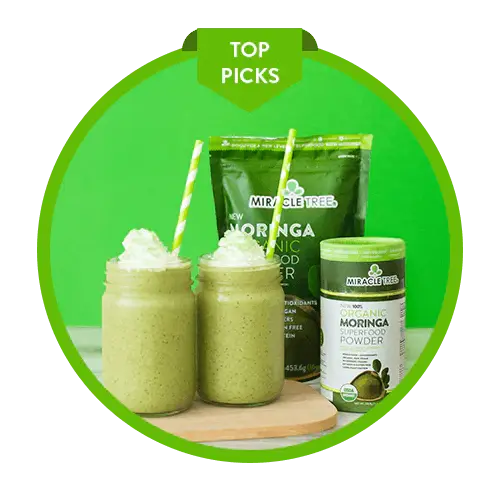
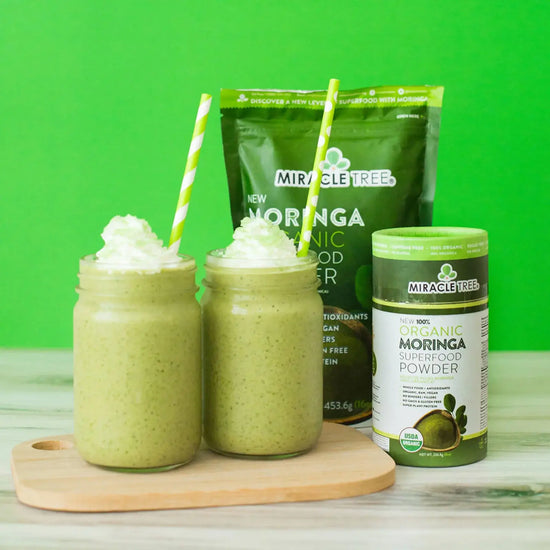
- Stir a teaspoon of moringa powder into smoothies, yogurt or oatmeal
- Whisk it into a lemon salad dressing
- Stir it into soup off the heat, so the color and vitamin C survive
- Add it to baked goods, pesto or pasta sauce
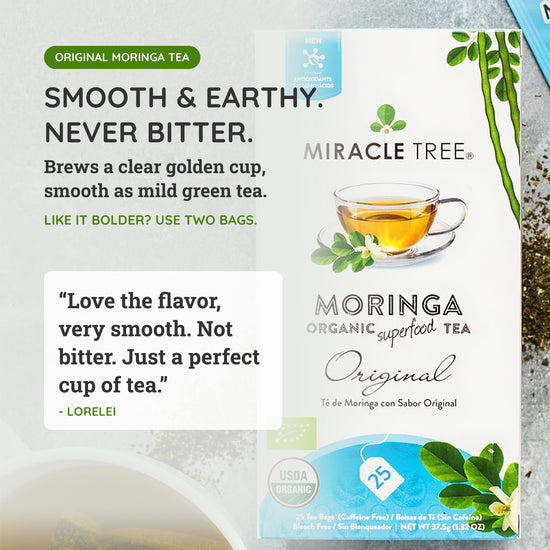
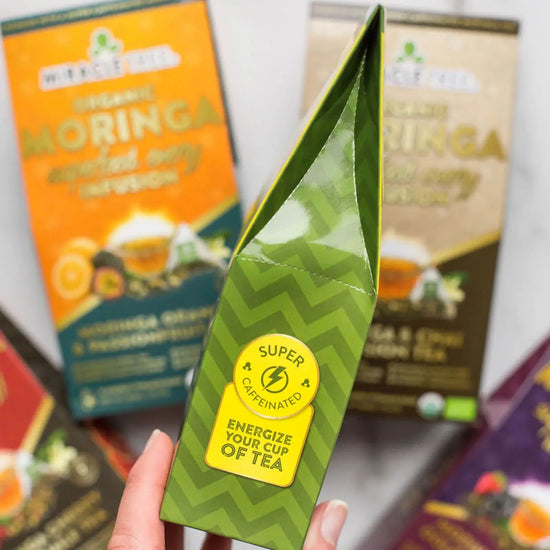
- Brew a cup of moringa herbal tea with a squeeze of lemon
Moringa is a whole dried leaf, not an extract — 92 nutrients, 47 antioxidants and all nine essential amino acids, from single-origin Sri Lankan farms, hand-picked and solar-dried. Even a teaspoon is a worthwhile addition to a varied diet.
Read our full nutrient breakdown, or browse the tea range.
These statements have not been evaluated by the Food and Drug Administration. This product is not intended to diagnose, treat, cure, or prevent any disease.
Always consult a healthcare professional before making changes to your diet, especially if you are pregnant, nursing, or managing a medical condition.